|
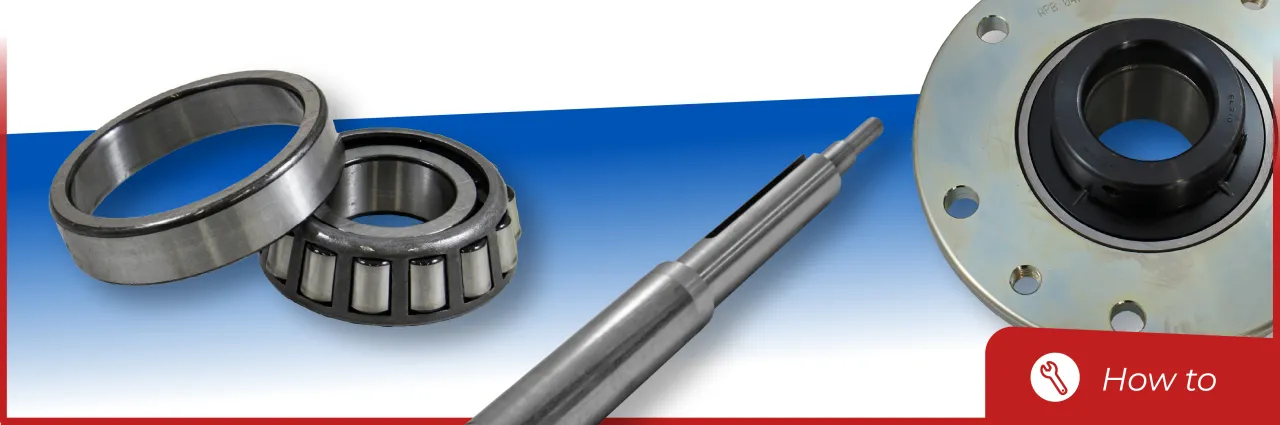
Before replacing a bearing, always check the shaft and housing
When a bearing shows signs of wear or starts becoming noisy, replacement is often the most immediate solution. However, installing a new component without checking the condition of the mating surfaces may not be enough to solve the problem.
In many cases, abnormal bearing wear is actually caused by other factors which, if not identified, can also compromise the new component.
Why check the shaft and housing?
The correct operation of a bearing depends not only on the quality of the component, but also on the condition of the shaft and housing.
A worn shaft can compromise the correct fit with the bearing inner ring, while a deformed or ovalized housing can prevent the correct positioning of the outer ring.
Even small amounts of play or deformation can cause vibrations, overheating and premature component wear.
What to check before installation
Before installing a new bearing, it is advisable to check:
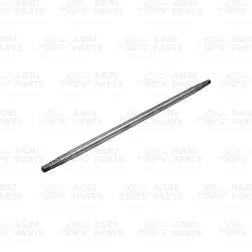
• the condition of the shaft, checking for any signs of wear, scoring or abnormal play;
• the housing, making sure that it is free from deformation, ovalization or damage;
• the cleanliness of the mounting surfaces, removing dirt and residues;
• the correct fit between the bearing, shaft and housing.
These simple checks only take a few minutes, but they can help increase the service life of the component and reduce the risk of further maintenance work.
Choosing the right bearing is equally important
Once you have checked that the shaft and housing are in good condition, it is essential to choose a high-quality bearing that is suitable for the application and the expected operating loads.
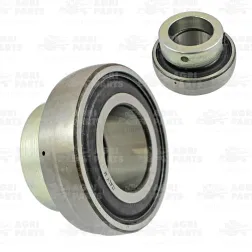
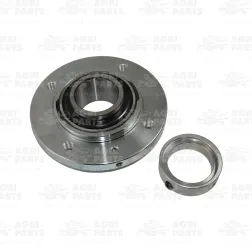
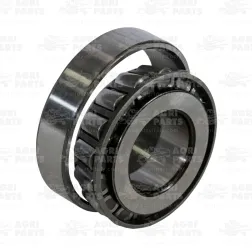
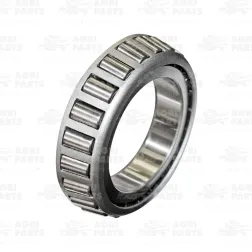
Agri Parts offers a wide range of bearings for agricultural machinery, selected to ensure reliability, precision and long service life even in the most demanding applications.
|