Agri Parts

Material buildup and residues during operation? Check these components

Monday, May 11, 2026

Material buildup and residues during operation? Check these components


Irregular flow on trenchers and combine harvesters:
signs of wear not to ignore

When the flow is not regular: signs not to ignore on forage harvesters and combine harvesters

During field work, seeing material build-ups in the “wrong” places is never a good sign. Whether it’s forage harvesters or combine harvesters, when the flow loses regularity it means the machine is operating outside optimal conditions.

In these cases, the problem is rarely “general”: much more often it concerns wear-prone components that are no longer working as they should. Acting in time helps avoid yield losses, increased strain, and possible machine downtime at the most critical moments.

Forage harvesters: flow continuity and cutting quality

In forage harvesters, build-ups typically occur in the feeding channels or in product transfer areas. The forage stops flowing uniformly, creating discontinuities that affect both work quality and machine efficiency.

Among the most common causes are components that have lost effectiveness:

  • scrapers, which can no longer keep surfaces clean;
  • knives, which no longer ensure a clean cut;
  • feeding units, which introduce material irregularly.

Even small signs of wear can compromise the flow, generating build-ups and friction that, over time, increase stress on the entire machine. Checking and replacing these elements in time helps maintain operational continuity and product quality.

Combine harvesters: flow management and residue handling capacity

In combine harvesters, the problem appears when straw, chaff, or grain do not follow the intended path. The flow becomes irregular and the machine loses efficiency exactly when it is most needed.

In these cases, it is essential to pay attention to:

  • intake channel components, which regulate product entry;
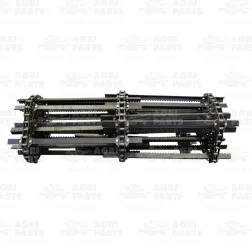
  • internal transport elements, such as elevator chains with paddles;
  • discharge and transfer system components, which manage final handling.

Wear, play, or reduced efficiency in these areas directly affect processing capacity, with the risk of slowdowns or blockages. Here too, the issue mainly emerges under load, when maximum continuity is required.

Prevention is better than stopping

These dynamics become evident during the most intense periods of the season, when the machine must ensure constant performance. For this reason, targeted inspection of wear-prone components—before or during the working period—is a strategic choice.

This is not about extraordinary maintenance, but about paying attention to elements that naturally wear out and directly influence performance.

If you suspect the machine is not working properly, starting from these components is often the fastest and most effective way to identify the problem.

The most in-demand components to keep your machine efficient

Below you will find a selection of the most commonly purchased components for forage harvesters and combine harvesters: solutions already chosen by those who work daily in the field and need reliability and operational continuity.

Discover the most used products and quickly identify the one best suited to your machine, so you can avoid downtime exactly when it matters most.


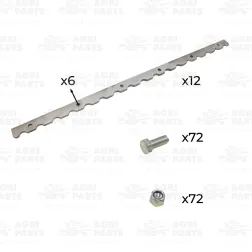
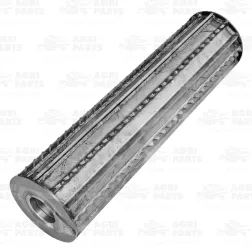
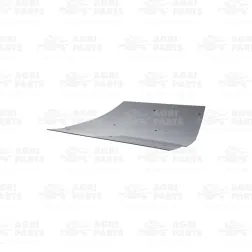
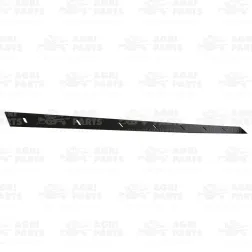
Components for the intake system in combine harvesters

Learn More

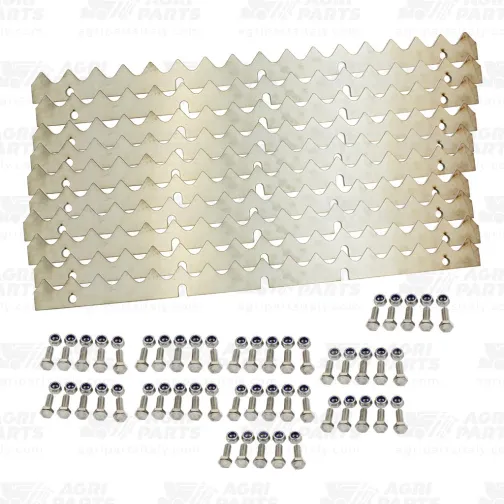
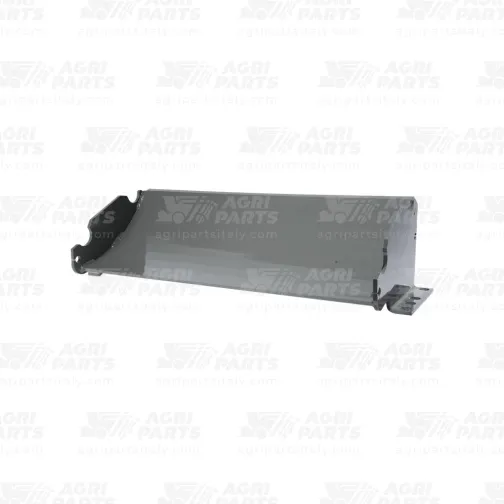
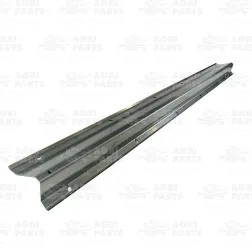
Components for forage chopper: spare parts for forage harvesters

Go to the catalog

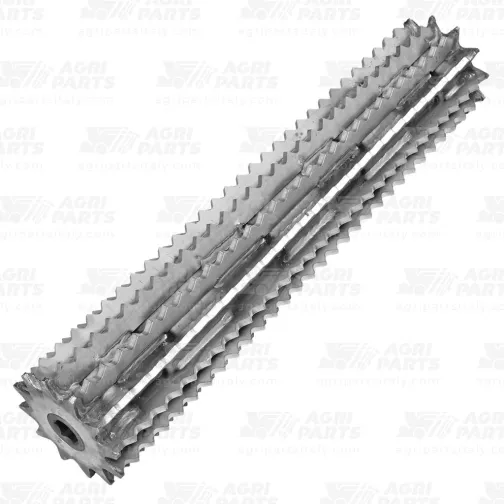
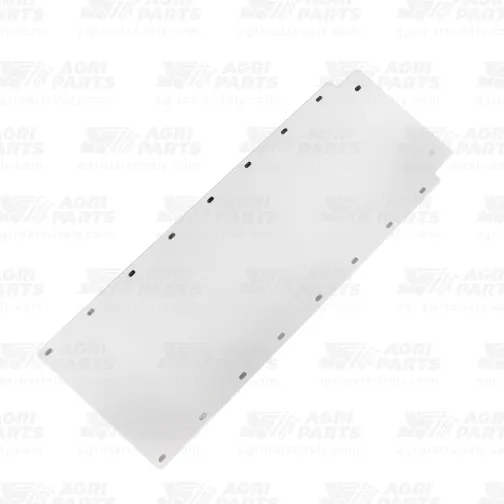
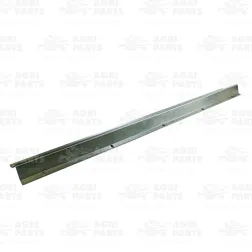
Wear parts in the forage harvester that affect product flow

Learn More

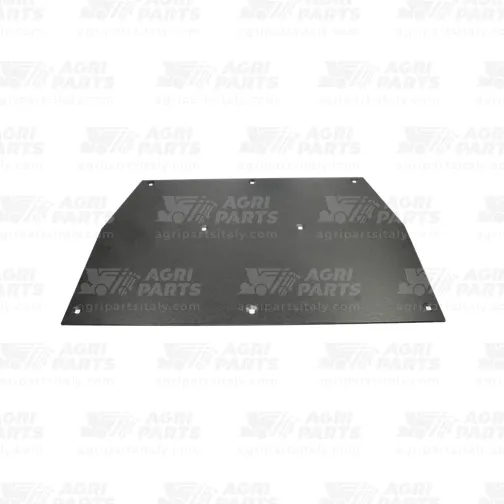
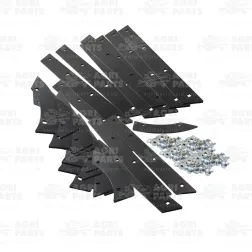
Wear parts of the combine harvester thrower discharge beater

Go to the catalog


For more information
CONTACT US

Browse

  • Producers
  • Machine Type
WhatsApp