


Essential checks and spare parts to tackle ploughing,
harrowing and sowing without unexpected breakdowns
|
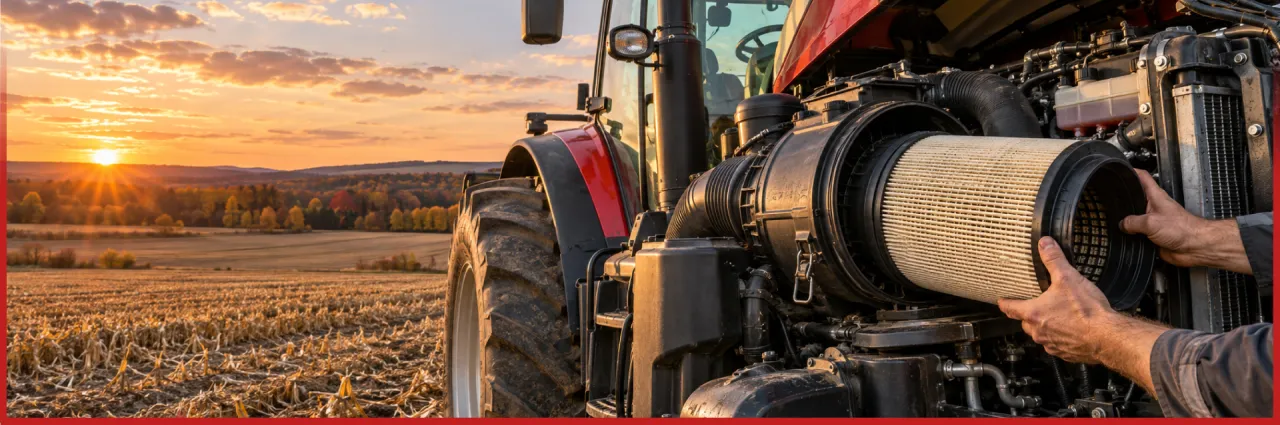
Before sowing: tractor spare parts to check Anyone who works the land knows that October weather sets the pace. When two or three days of good weather arrive, you need to be ready to get started. Ploughing, harrowing and preparing the seedbed for wheat and barley all need to fit into the right weather window. If the tractor breaks down at that moment, you don't just lose half a day; you risk missing the entire window. Picture a situation many farmers will recognise. After days of rain, the sun comes out, the soil is finally in the right condition for cultivation, and on Monday morning the tractor sets off with the plough attached. The first time you pull away under load, the clutch slips and a burning smell fills the cab. Everything comes to a halt. The tractor is dismantled, but the spare part isn't in stock. It arrives a few days later, and in the meantime, the weather changes again. The problem had started weeks earlier, with small warning signs that could have been spotted with an hour of careful inspection. That's why some of the most frequently requested tractor spare parts are those that show no obvious signs of wear until it's too late. Here's what to look for and how to recognise wear before heading out into the field. Filters: four small components that protect everything else Filters are among the spare parts our customers ask for most often, and for good reason. In autumn, dust from dry fields and continuous operation put the entire system under strain. A clogged air filter reduces engine power and increases fuel consumption, while the engine oil filter protects moving parts. The fuel filter protects the fuel system from water and impurities (if your tractor has a water separator, remember to drain it). The hydraulic oil filter, which is often overlooked, protects the three-point linkage and hydraulic control valves, both of which work particularly hard when a plough or harrow is attached. The cab air filter also needs attention: when clogged, it reduces air quality inside the cab during long working days. Replacement intervals depend on the model, so always refer to the tractor's owner's manual. However, if the machine has worked extensively throughout the summer, it may be worth replacing the filters sooner. The clutch: when it slips "just a little", it's already a warning sign Ploughing and harrowing require consistent traction and starting under load. That's when a worn clutch starts to show its weakness. Warning signs include a change in pedal travel, clutch slippage under load, a burning smell or unusual noises when releasing the clutch. It's better to replace it in the workshop, without rushing, than halfway through a field operation. Bearings, bushes and washers: wear you can't always see Bearings and bushes, including bonded rubber bushes, operate in dusty and damp conditions and are subjected to heavy loads. A simple way to check them is to turn rotating components by hand: they should move smoothly, without stiff spots. Look for excessive play, cracks in the rubber or unusual noises. A bearing that overheats after just a few hours is a warning sign that should be taken seriously, as it could also damage the component it supports. Washers may seem small and insignificant, but they matter too. If they are crushed or deformed, the fastener may no longer hold securely. Belts and sprockets: keeping the drive system moving Inspect belts for cracks, frayed edges, shiny surfaces and correct tension. A loose belt slips and wears out quickly, while a belt that is too tight puts extra strain on bearings and pulleys. Check the teeth on sprockets and gears: if the tooth profile is worn into a hook shape or has become pointed, it's time to replace them. Where applicable, replace the chain at the same time to prevent the worn components from accelerating each other's wear. Warning signs you shouldn't ignore New vibrations, metallic noises, a burning smell, oil leaks or a drop in power: stop the machine and investigate before continuing. A minor fault caught early can stay a minor fault. Plan today to sow on time tomorrow Checking your tractor in advance gives you time to order spare parts without the pressure of needing them "by tomorrow" and allows you to compare alternatives. Aftermarket parts can be a smart choice, offering compatible components for widely used machinery at more affordable prices, provided you choose a supplier that guarantees quality, compatibility and assistance in identifying the correct part number. If you'd also like to learn more about another key machine used in autumn, read our guide here. A printable checklist to keep in the workshop Before heading into the field, half an hour and this checklist are all you need: ☐ Air filter: cleaned or replaced If you find one or more items that need attention, now is the right time to order the necessary parts. The most requested spare parts, all in one collection At Agri Parts Italy, we stock the spare parts our customers request most often: air filters, engine oil filters, fuel filters, hydraulic oil filters and cab air filters, as well as clutches, bearings, bushes, washers, belts and sprockets. We offer spare parts for machinery from Claas, New Holland, John Deere and Case.
Not sure about the part number or whether a component is compatible with your tractor? Send us a message or give us a call. Tell us the make and model, and we'll help you find the right spare part. The information in this article is intended as general guidance. For precise maintenance intervals and specifications, always refer to your tractor's owner's manual or consult an authorised workshop. |